
Children can experience ear, nose and throat problems that may affect their hearing, breathing, speech, sleep and overall development. At Dr. ENT, we provide comprehensive diagnosis and treatment for a wide range of ENT conditions affecting infants, children and teenagers. Our ENT specialists provide child-friendly care focused on identifying the underlying cause and delivering personalised treatment for better health and development.
Pediatric ENT problems can range from frequent ear infections and enlarged tonsils to nasal allergies, sinus problems, hearing difficulties and breathing or sleep-related issues. Early evaluation can help identify concerns and provide timely treatment to support your child’s healthy growth and development.
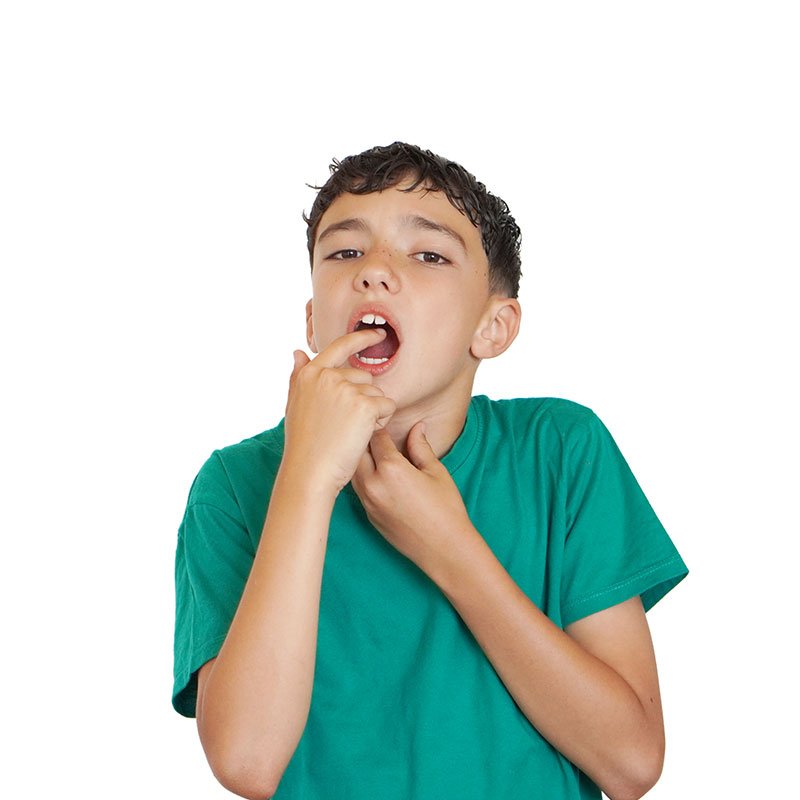
There is a common occurrence of foreign bodies in the Ear, Nose, and Throat in children.
Ear, the most prevalent foreign body include food particles, insects, assorted toys, buttons, crayon remnants, small magnets, beads, and an array of miscellaneous items. Notably, insects can inflict considerable pain when they infiltrate the ear, warranting urgent removal.
Moving to the nasal cavity, foreign bodies tend to be more conspicuous in the one to four year-old age group. Curiously, children in this age range have a penchant for introducing soft objects, toys, clay, erasers, seeds, beads, and magnets into their nasal passages. Neglecting to detect and address these nasal interlopers can lead to protracted issues, including malodorous nasal discharge and inner nasal lining damage.
Yet, it is in the throat and the airway that the gravest concerns emerge, constituting bona fide medical emergencies. Here, one may encounter an assortment of foreign objects, including coins, food remnants, nuts, fish bones, plastic playthings, and various glass or metal items. Among these, the ingestion or inhalation of a button battery stands out as a particularly dire threat, carrying potentially life-threatening consequences
Dr. ENT Recommends If there is an observation or suspicion of a foreign body in a child’s Ear, Nose, or Throat, it is imperative to seek immediate evaluation by an ENT Specialist.
Tonsils play a role in a child’s immune system. These two oval-shaped lymphoid tissue pads, one on each side of the throat if infected may be of concern. Infection of tonsils is called Tonsillitis.
In children, it’s not uncommon for tonsils to become infected, often due to viruses or bacteria (with bacterial tonsillitis sometimes referred to as strep throat). Tonsillitis is a frequent occurrence in children of all ages, often coinciding with common cold symptoms like a runny nose, fever, and cough.
Recognizable signs and symptoms of tonsillitis encompass swollen tonsils, a sore throat, difficulty swallowing, and tenderness in the lymph nodes on the sides of the neck.
In children, another prevalent condition is hypertrophic tonsils, where the tonsils become enlarged, leading to challenges in breathing and, at times, swallowing. This condition may also give rise to sleep-disordered breathing, sleep apnea, and associated medical complications.
Dr.ENT Recommends that if a child experiences sleep-disordered breathing, sleep apnea, or frequent tonsil infections (more than seven attacks per year), a comprehensive ENT evaluation and management are essential.
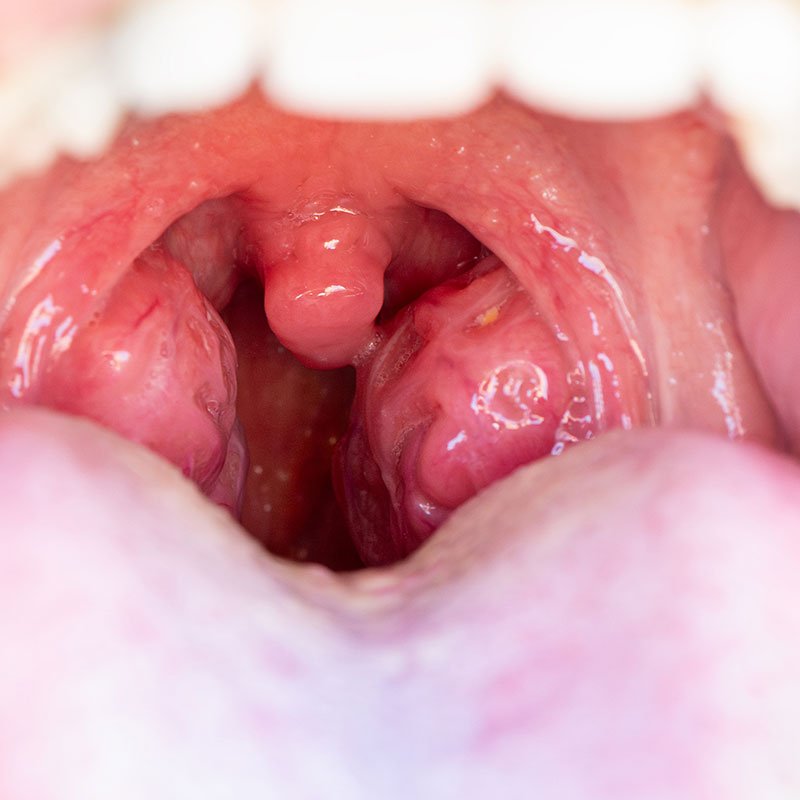
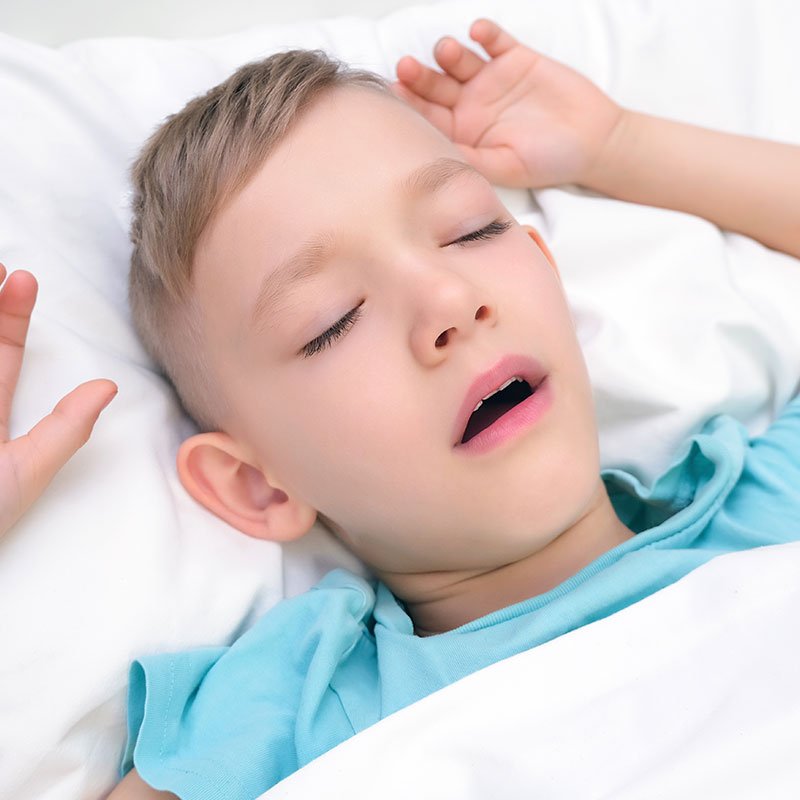
Adenoid hypertrophy is a common issue among children worldwide, affecting approximately one in three youngsters around the world.
The adenoids, which are pads of lymphoid tissue located at the back of the nose in children, can become enlarged due to infections. This enlargement can lead to nasal airway obstruction, forcing the child to breathe through their mouth, which, in turn, disrupts their sleep. Adenoid enlargement manifests through various symptoms, including runny nose, chronic cough, post-nasal drip, snoring, and sleep-disordered breathing in children. Additionally, obstruction of the eustachian tube(a muscular tube which connects the ear and nose) by enlargement of adenoids , can lead to muffled hearing, ear pain, crackling or popping sounds in the ear, and recurrent middle ear infections.
Assessing adenoid hypertrophy typically involves detailed ENT examination, visualizing the adenoids using a tiny camera mounted on a tube or through a simple X-ray.
Dr. ENT emphasizes the importance of evaluating adenoid enlargement, which can vary in severity, and recommends consultation with an ENT Specialist, particularly when a child exhibits symptoms of sleep-disordered breathing or hearing loss. Treatment options range from conservative measures to surgical intervention.
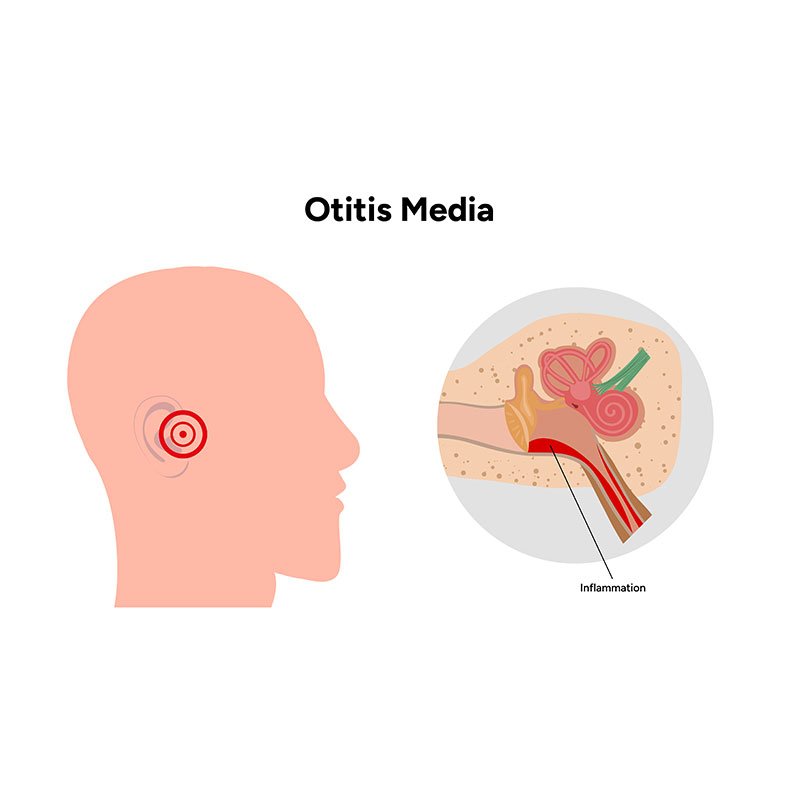
Glue ear, also known as otitis media with effusion, is a prevalent condition among children. Before starting primary school, eight out of every ten children may experience glue ear. This condition arises when the middle part of the ear becomes filled with thick fluid, resulting in temporary hearing loss. Glue ear can affect one or both ears, often following frequent upper respiratory tract infections, especially among children who attend nurseries or kindergartens.
Children with glue ear typically present with symptoms such as decreased hearing (often first noticed by teachers), earaches or severe ear pain that disrupts sleep, hearing sounds like buzzing, and occasional balance issues. If glue ear persists over an extended period, it can potentially impact a child’s development and academic progress.
The diagnosis of glue ear can be established at an ENT clinic using a tympanogram, a simple test to detect fluid in the ear. Treatment options may involve conservative approaches and medical management with nasal sprays. However, if conservative treatments prove ineffective, the fluid may need to be surgically removed, sometimes with the insertion of ventilation tubes or grommets. These devices help maintain middle ear ventilation until it is entirely dry.
Dr ENT Recommends recognizing the challenges that glue ear can pose for children, especially regarding hearing loss. This hearing impairment often leads to behavioural changes and declining school performance, as children may struggle to express their hearing difficulties, resulting in unexpressed confusion. As such, an ENT evaluation, including a test for the ears, is crucial in addressing this condition effectively.

Every child develops speech at their own pace. However, if the child doesn’t talk as much as most children of the same age, it may indicate a speech delay.
A speech delay might be due to an oral impairment, such as problems with the tongue or palate (the roof of the mouth) or a short frenulum (the fold beneath the tongue), which can limit tongue movement.Many kids with speech delays have oral–motor problems. These problems occur when there are issues in the areas of the brain responsible for speech. This makes it difficult to coordinate the lips, tongue, and jaw to produce speech sounds. These children may also experience other oral-motor problems, such as feeding difficulties..
Hearing problems also can affect speech. Children who have trouble hearing may struggle with speaking, understanding, imitating, and using language.
Symptoms Include
Dr. ENT recommends a comprehensive ENT evaluation, including hearing tests such as ABR (Auditory Brainstem Response).
We are a trusted ENT Intergrated Platform dedicated providing advanced, reliable.
At Dr. ENT, we provide comprehensive and personalized care for ear, nose, throat, and head & neck conditions. With specialist expertise, advanced technology, and evidence-based treatment, we are committed to delivering safe and effective care for patients of all ages.
Copyright © 2026 Dr ENT. Powered By Limar Healthcare Technologies and Management LLC , Dubai UAE