
Your head and neck health plays an important role in essential functions such as breathing, swallowing, speaking and overall well-being. At Dr. ENT, we provide comprehensive diagnosis and treatment for a wide range of head and neck conditions affecting children and adults. Our ENT specialists focus on identifying the underlying cause of your symptoms and providing personalised treatment for better health and quality of life.
Head and neck problems can range from swollen lymph nodes and thyroid conditions to salivary gland disorders, neck lumps and other structural concerns. Early evaluation can help identify the cause and ensure timely, appropriate treatment for better health and peace of mind.

A swelling, lump or bump in the neck can be present anywhere between the jawbones and the collarbones. These lumps may appear in the middle of the neck or on the side, and they can vary in size and be either painless or painful.
Neck masses are quite common in infants and children. Some neck masses are present from birth and have embryonic origins, such as thyroglossal duct cysts, branchial cleft cysts, and dermoid cysts. Initially, these swellings are usually painless, but they can become painful if infected.
In adults, neck masses may develop due to viral or bacterial infections (Deep neck infections), ear or sinus infections, dental issues, throat infections, glandular fever, mumps, thyroid swelling, or, rarely, tumors.
A neck mass caused by an infection typically regresses with medical treatment. However, if a neck mass persists for more than three weeks without responding to medications, it should be a matter of concern.
Dr ENT Recommends considering red flags such as an increase in the size of the neck mass after two weeks of treatment, a mass that reduces in size but persists, voice changes, painful swallowing, trouble hearing, ear pain, unresolved neck or throat pain, unexplained weight loss, low-grade fever, or night sweats. In such cases, seeking urgent ENT consultation with proper scanning and imaging is essential.
The thyroid gland is a butterfly-shaped gland located in the anterior part of the neck, partially wrapping around the windpipe (trachea). It plays a major role in the metabolism, growth and development of the human body.
Thyroid gland disorders are more common in females than males and can lead to visible enlargement, a condition commonly known as Goitre. The gland can also enlarge due to bacterial or viral infections, a condition referred to as thyroiditis (inflamed gland). While thyroiditis is self-limiting, it can cause pain, fever, and an imbalance in thyroid hormone levels in the body.
Enlargement of the thyroid gland can also occur in the presence of tumors, which can be either cancerous or non-cancerous.
Symptoms of thyroid disorders include a lump in the front of your neck, a feeling of tightness in the throat area, hoarseness (a scratchy voice), dizziness when raising your arms above your head, difficulty breathing (shortness of breath), coughing, difficulty in swallowing, and other metabolic symptoms.
Dr ENT Recommends that any thyroid mass should not be ignored, as it may have an underlying sinister cause, even if it doesn’t initially cause symptoms.
However, as it grows, it can lead to symptoms such as neck swelling, voice changes, and difficulty swallowing food. If any of these symptoms persist for two weeks after taking medications, it is compelling to seek a detailed ENT Consultation thyroid tests, and a thyroid scan.
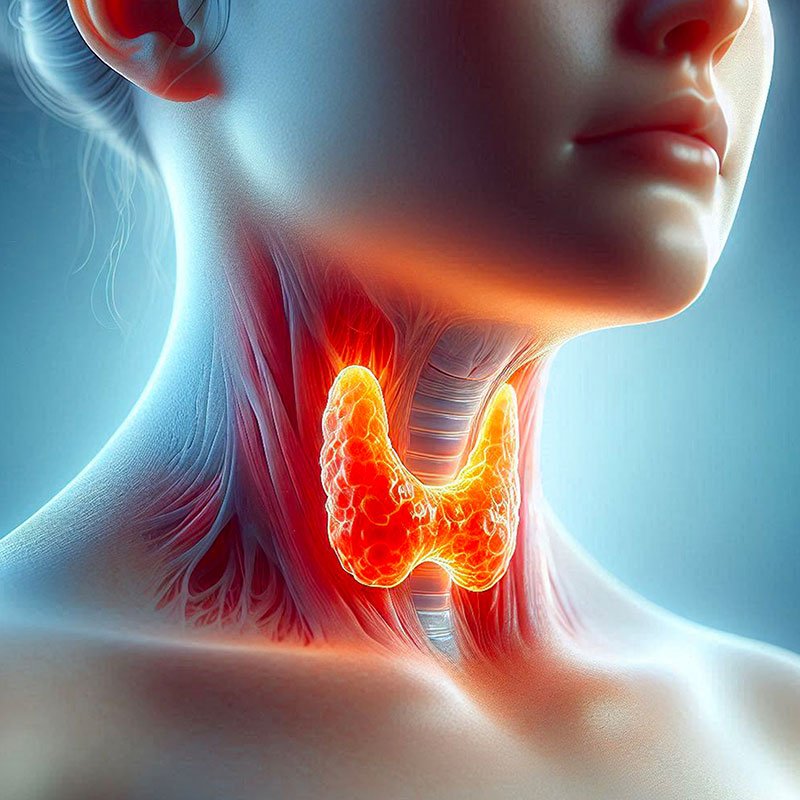

Salivary glands, as the name implies, are responsible for producing saliva, the transparent fluid in our mouth that aids in the digestion of food, maintains moisture in the mouth, and supports healthy teeth. These glands are located around our jawbones, namely the parotid gland, sublingual gland, and submandibular salivary glands. Additionally, many tiny salivary glands are found in the lips, inside the cheeks, and scattered throughout the mouth.
Salivary gland disorders encompass viral or bacterial infections, known as sialadenitis (swollen glands) or parotitis (inflammation of the parotid gland), salivary gland stones, autoimmune disorders like Sjogren’s Syndrome, and salivary gland tumors.
Common symptoms include pain, swelling of the cheek or neck, fever, dry mouth (xerostomia), pain while eating, and very rarely, facial asymmetry.
Salivary gland tumors can develop in any of the three main glands. Most of these tumors are non-cancerous (benign), but malignant (cancerous) ones are not uncommon.
Dr ENT Recommends Any lump around the face or neck persisting for weeks, associated with painful chewing, eating and dry mouth requires a proper evaluation by ENT specialist and a Scan.
We are a trusted ENT Intergrated Platform dedicated providing advanced, reliable.
At Dr. ENT, we provide comprehensive and personalized care for ear, nose, throat, and head & neck conditions. With specialist expertise, advanced technology, and evidence-based treatment, we are committed to delivering safe and effective care for patients of all ages.
Copyright © 2026 Dr ENT. Powered By Limar Healthcare Technologies and Management LLC , Dubai UAE